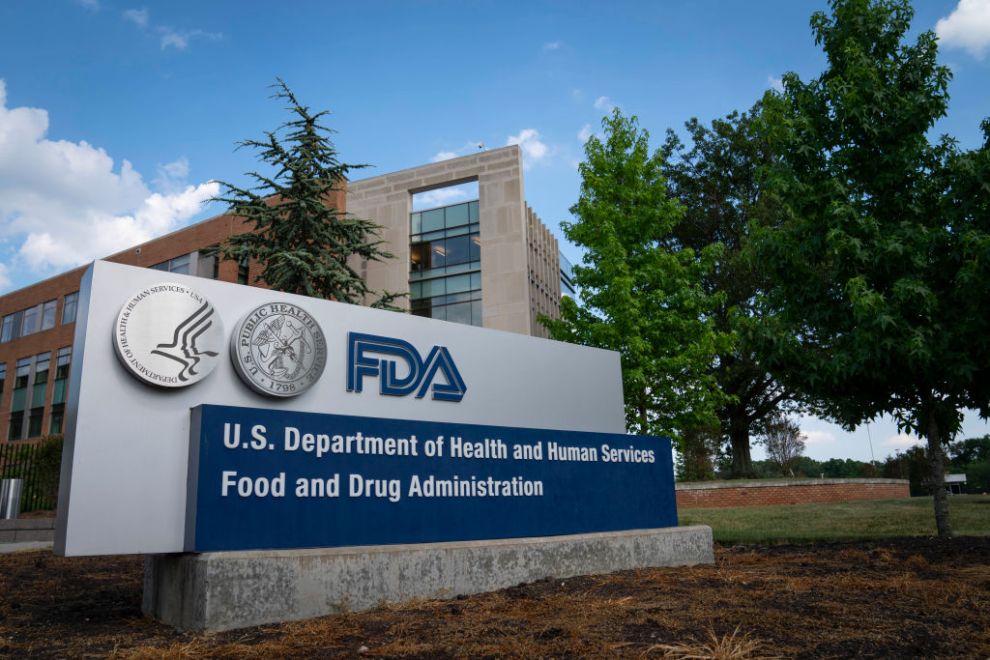
The U.S. Food and Drug Administration (FDA) has officially banned Red Dye No. 3, a synthetic additive long linked to health concerns. The dye, commonly used in candies, cereals, and beverages, will be phased out of foods by January 2027 and ingested medications by January 2028.
A Victory for Consumer Advocacy Groups
“This is a big win for consumers,” said Melanie Benesh, vice president for government affairs at the Environmental Working Group. “This cancer-causing chemical is finally going to be out of the food supply. It is long overdue.”
Red No. 3, also known as Erythrosine, was first approved for use in food in 1907. However, concerns about its safety emerged in the 1980s when studies linked it to tumors in male rats exposed to high doses. Despite these findings, the dye continued to be used in thousands of products.
Dr. Peter Lurie, president of the Center for Science in the Public Interest (CSPI), called the FDA’s decision “a regulatory paradox finally resolved.” He added, “Red 3 has been banned in cosmetics for decades, yet it remained legal in candies and drinks consumed by children.”
Broader Implications for Food Safety
The ban reflects growing consumer pressure on regulators to address artificial dyes and additives. California and several other states have already restricted Red No. 3, and countries like Australia, Japan, and members of the European Union have implemented similar bans.
Advocacy groups hope the FDA’s decision will lead to further scrutiny of other artificial dyes. “This is an important step forward,” Benesh stated. “Consumers are increasingly concerned about what’s in their food.”
The food industry is preparing for the transition. “Food safety is the number one priority,” said Sarah Gallo of the Consumer Brands Association. “Companies will comply with the FDA’s ban and continue to follow the latest science to ensure safe options for consumers.”
While manufacturers work to reformulate products, experts like Dr. Marc Siegel emphasize the need for consistent standards. “There must be a balance between what we allow in our food and what is deemed unsafe in other products,” he said.
With the ban now in place, consumer advocates see this as a turning point for stricter regulation of food additives.