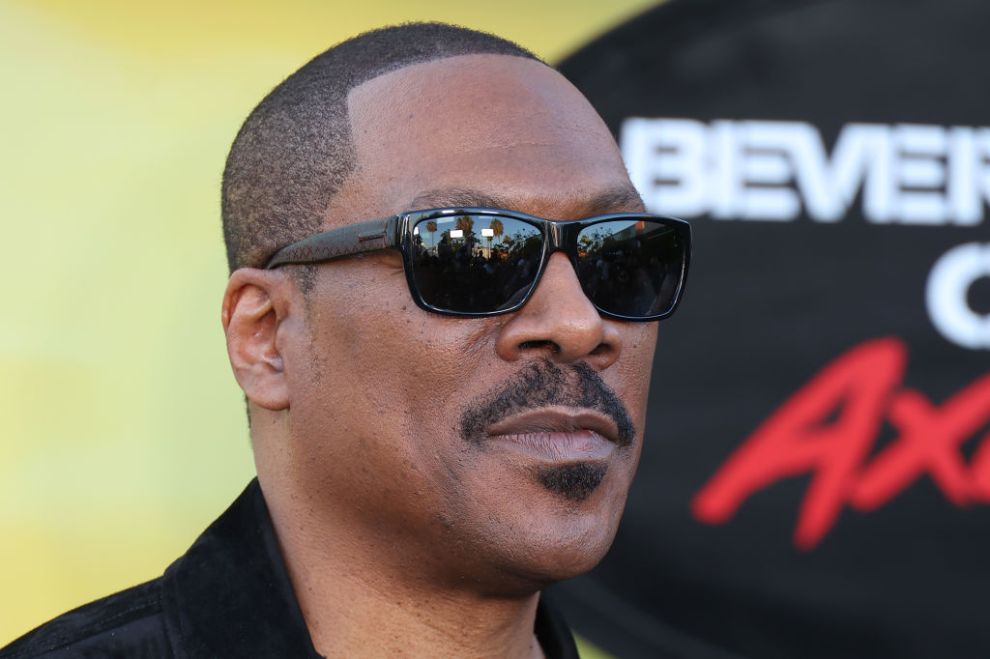
Eddie Murphy says he believes he was effectively blacklisted by the Academy of Motion Picture Arts and Sciences after a blunt speech at the 60th Academy Awards. In the new Netflix documentary Being Eddie, Murphy recalls standing at the podium in 1988 and delivering remarks that questioned how Black talent was being recognised. “I even said right before, I said, ‘I’ll probably never get an Oscar for saying this…’ And I went … I went and did it,” he says.
Murphy remembers telling the audience: “My first reaction was to say, ‘No, I ain’t going,’ … ‘I’m not going because they haven’t recognized Black people in the motion pictures.’” His direct statement, he says, was accompanied by backstage warnings. “I was with Robin Williams backstage. I was like, ‘I’m gonna say this.’ And he goes to me, like, ‘But why go there?’” Murphy recalls.
After the Spotlight
Murphy says the day after his remarks there was little public acknowledgement of his presence at the ceremony. “The next day it was like I didn’t say anything. There were no pictures of me at the Oscars. There was no coverage of me. There was no mention that I said that. It was like I wasn’t at the Oscars,” he states in the film.
Asked whether the lack of an Oscar win was due to his 1988 comments, Murphy offers mixed feelings. “I haven’t gotten an Oscar, and I’ve done everything. I’ve played everything and done everything. And I haven’t gotten an Oscar,” he says. “But I don’t think it’s because of that,” he adds with a laugh.
Still, the suggestion that there may be institutional push-back lingers. Murphy’s remarks touched a nerve about longstanding concerns over representation and recognition in Hollywood. The Academy has faced criticism over the years for its track record with Black filmmakers and actors.
The documentary Being Eddie chronicles Murphy’s rise from stand-up comedian to film star and cultural icon. It features interviews with contemporaries such as Chris Rock, Dave Chappelle and Jamie Foxx, who speak to his influence.
Murphy’s willingness to raise uncomfortable truths in a high-profile moment remains a central theme. He reflects in the film: “Every now and then, somebody will see it and be like, ‘Wow. Eddie was talking s—- at the Oscars way back then?’”
Representing a career that spans decades and crosses genres, Murphy’s experience serves as both a personal story and a commentary on Hollywood’s evolving dynamics. Whether his belief in the blacklist holds true in full remains uncertain, but his claim underscores the continuing conversation about fairness and recognition in the film industry.